
Kratom – Addictive or Beneficial?
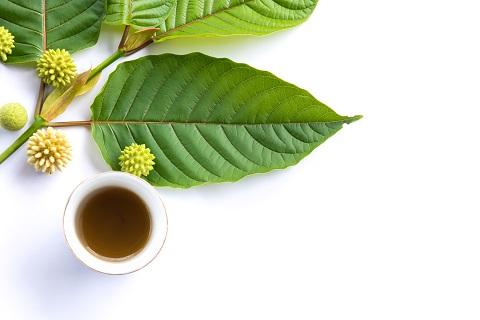

Kratom or Mitragyna Speciosa is a tropical tree native to the region of Southeast Asia. While this tree belongs to the Rubiaceae or coffee family, its effects are significantly different. Although Kratom has only recently penetrated the mainstream market and media, it has been used in countries such as Thailand and Indonesia for centuries. Historically, Kratom was used by farmers and laborers in Southeast Asia for an energy and productivity boost. Today, however, there are several ways in which Kratom is being used and in this piece, we will critically examine all of them to determine whether or not Kratom is addictive.
How does Kratom work?
One of the major reasons why several health professionals are skeptical of Kratom is because of how it works. The two main compounds responsible for the effects of Kratom are mitragynine and 7-hydroxy mitragynine. These compounds work by interacting with the opioid receptors of your brain to produce pleasurable or analgesic effects. Since the opioid receptors of your brain are targeted, institutes such as the Food and Drug Administration and the Drug Enforcement Administration often compare Kratom to harmful opioids.
On the contrary, advocates for the legalization of Kratom argue that Kratom is not only effective but is also safer when compared to various pharmaceutical drugs. According to customer experience reports and recent researches, you can expect the following positive effects after consuming Kratom;
- Analgesia and pain relief.
- Mood enhancement and elevation.
- Anxiety relief.
- Focus boost.
- Productivity boost.
- Increase in energy.
Apart from the direct psychological and physical effects of Kratom, one potential use of it is to treat opioid addiction. The opioid use disorder is an epidemic that has claimed an estimated 115 lives a day according to the CDC and is responsible for 30% of overdoses in EDs across the country U.S. According to a considerable amount of Kratom users, Kratom has allowed them to do treat their opioid addiction as the use of Kratom eases their withdrawals and reduces the cravings for opioids.
Is Kratom addictive?
Given the lack of research conducted on Kratom and its potential, there is no objective answer to this question. However, the studies that have been carried out suggest that Kratom is addictive and dangerous especially when consumed thinking of it as a safe substance. Simultaneously, while people use Kratom for therapeutic purposes, none of these uses are sanctioned by the FDA.
One of the reasons why the FDA and DEA consider Kratom to be a dangerously addictive substance is due to Kratom abuse being on the rise in the U.S as reported by the Journal of Addictive Diseases. While Kratom is not nearly as addictive as some of the hard opioids, a dependency can be created if used in an unfettered manner. Whether it be the consumption of extremely high doses or a high frequency of doses, either of them can cause a dependency on Kratom if continued for a certain period. Some of the withdrawal symptoms people have experienced include;
- Anxiety
- Insomnia
- Depression
- Muscular or Bone Pain
- Fatigue
- Runny Nose
- Constipation
While most of the current research is skeptical of Kratom, there is light at the end of the tunnel as proper regulation and the circulation of information regarding Kratom can promote safe and effective use of this substance with immense potential.